Lavender
Lavandula angustifolia
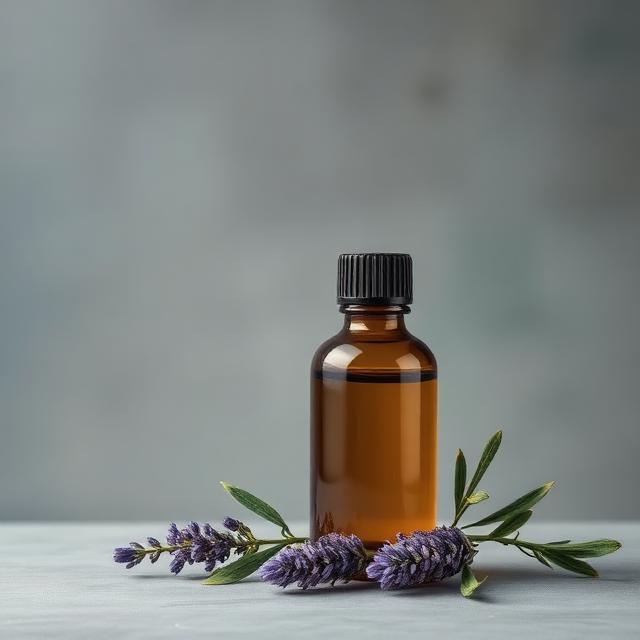

Botanical description:
Perennial shrub, 30–80 cm tall, with narrow silvery-green leaves and spikes of fragrant purple-blue flowers
Perennial shrub, 30–80 cm tall, with narrow silvery-green leaves and spikes of fragrant purple-blue flowers
Historical & traditional use:
Lavender (primarily Lavandula angustifolia, also known as English lavender or true lavender) has one of the richest histories in traditional medicine, stretching back over 2,500 years. Known for its calming purple flowers and intoxicating fragrance, it has been revered across cultures as a versatile healer — from ancient cleansing rituals to remedies for mind, body, and spirit.
Ancient Egyptians (around 2500+ years ago) used lavender in embalming mixtures and cosmetics, valuing its antiseptic and preservative qualities to help preserve bodies for the afterlife.
Romans adopted and expanded its use — the very name "lavender" comes from the Latin lavare ("to wash"). They added it to public baths for purification, scented linens and clothing, and used it as a disinfectant and insect repellent. Pliny the Elder (1st century CE) praised it for treating menstrual issues, upset stomachs, jaundice, insect bites, and even melancholy.
In medieval Europe, Hildegard von Bingen (1098–1179), the German abbess, mystic, and herbalist, was a major advocate. She described lavender oil for treating migraines, head lice, fleas, and liver/lung pain (often as lavender wine or infusions). She also saw it as spiritually purifying — able to "lift melancholy" and promote serenity.
In traditional Asian medicine, it was valued for its "cooling" effect on the mind and heart, helping release tension.
Lavender's enduring legacy comes from its gentle yet powerful combination of antiseptic, anti-inflammatory, calming, and aromatic properties — qualities that modern science has since confirmed through studies on its essential oil (rich in linalool and linalyl acetate). From Roman bathhouses to medieval monasteries to today's aromatherapy, lavender remains one of nature's most beloved and trusted herbal allies.
Lavender (primarily Lavandula angustifolia, also known as English lavender or true lavender) has one of the richest histories in traditional medicine, stretching back over 2,500 years. Known for its calming purple flowers and intoxicating fragrance, it has been revered across cultures as a versatile healer — from ancient cleansing rituals to remedies for mind, body, and spirit.
Ancient Egyptians (around 2500+ years ago) used lavender in embalming mixtures and cosmetics, valuing its antiseptic and preservative qualities to help preserve bodies for the afterlife.
Romans adopted and expanded its use — the very name "lavender" comes from the Latin lavare ("to wash"). They added it to public baths for purification, scented linens and clothing, and used it as a disinfectant and insect repellent. Pliny the Elder (1st century CE) praised it for treating menstrual issues, upset stomachs, jaundice, insect bites, and even melancholy.
In medieval Europe, Hildegard von Bingen (1098–1179), the German abbess, mystic, and herbalist, was a major advocate. She described lavender oil for treating migraines, head lice, fleas, and liver/lung pain (often as lavender wine or infusions). She also saw it as spiritually purifying — able to "lift melancholy" and promote serenity.
In traditional Asian medicine, it was valued for its "cooling" effect on the mind and heart, helping release tension.
Lavender's enduring legacy comes from its gentle yet powerful combination of antiseptic, anti-inflammatory, calming, and aromatic properties — qualities that modern science has since confirmed through studies on its essential oil (rich in linalool and linalyl acetate). From Roman bathhouses to medieval monasteries to today's aromatherapy, lavender remains one of nature's most beloved and trusted herbal allies.
Distribution:
Native to Mediterranean region (Spain, France, Italy); cultivated worldwide
Hardiness zones: USDA 5–9
Parts used: Flowers and flowering tops
Active substances: Linalool, linalyl acetate, camphor, cineole
Medicinal uses: Nervous system — calming restlessness, relaxing mind, insomnia, anxiety, headaches, mild sleep aid. Skin & wounds — as an antiseptic for burns, cuts, insect bites, and acne. Has a cooling and calming effect in muscles. Digestive — can relievie colic, gas, and indigestion. Respiratory — easing coughs and throat issues. Has traditionally been used as an insect repeller.
Evidence level: High