Medicinal Plant Register
Aloe Vera
Aloe barbadensis miller
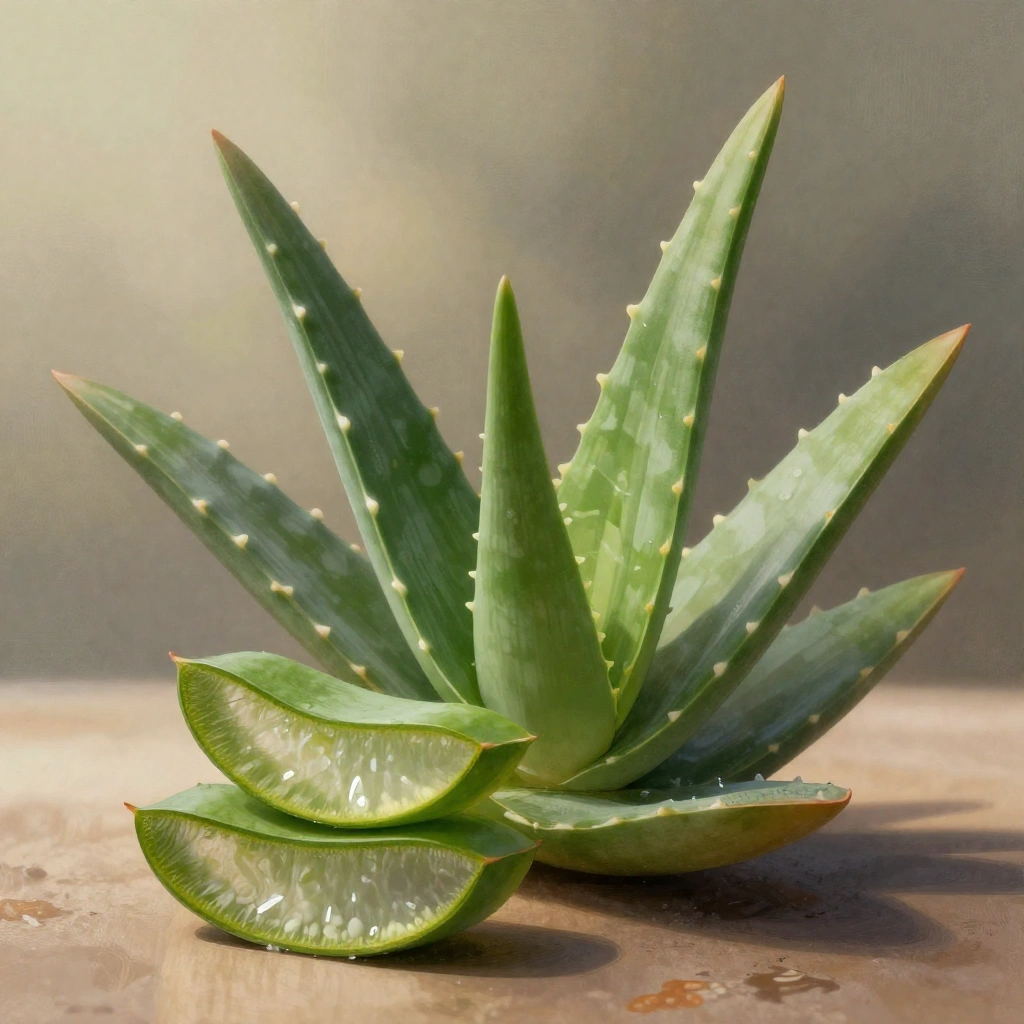
Parts used: Leaf gel (inner leaf)
Active substances: Polysaccharides, anthraquinones (aloin in latex), vitamins, enzymes
Medicinal uses: Topical: burns, wounds, skin irritation; oral: mild laxative, digestive support
Evidence level: Moderate
Ashwagandha
Withania somnifera
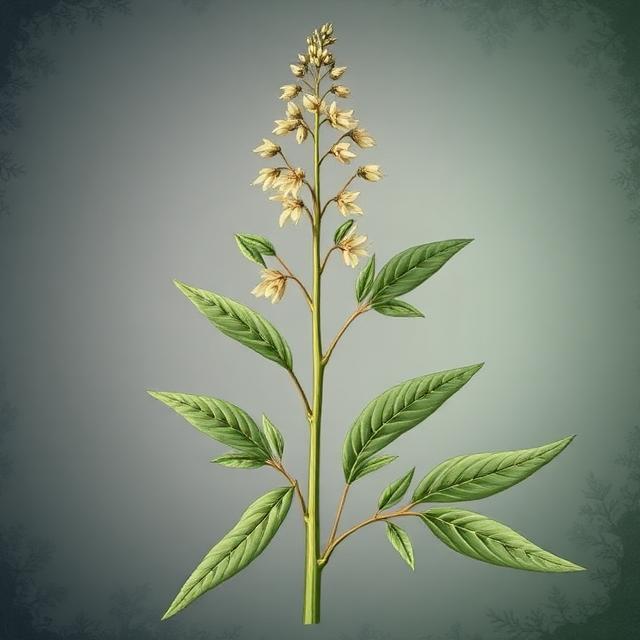
Parts used: Roots (sometimes leaves)
Active substances: Withanolides, alkaloids (withanine), steroidal lactones
Medicinal uses: Adaptogen, stress/anxiety reduction, cortisol lowering, energy, male fertility
Evidence level: Moderate
Chamomile
Matricaria chamomilla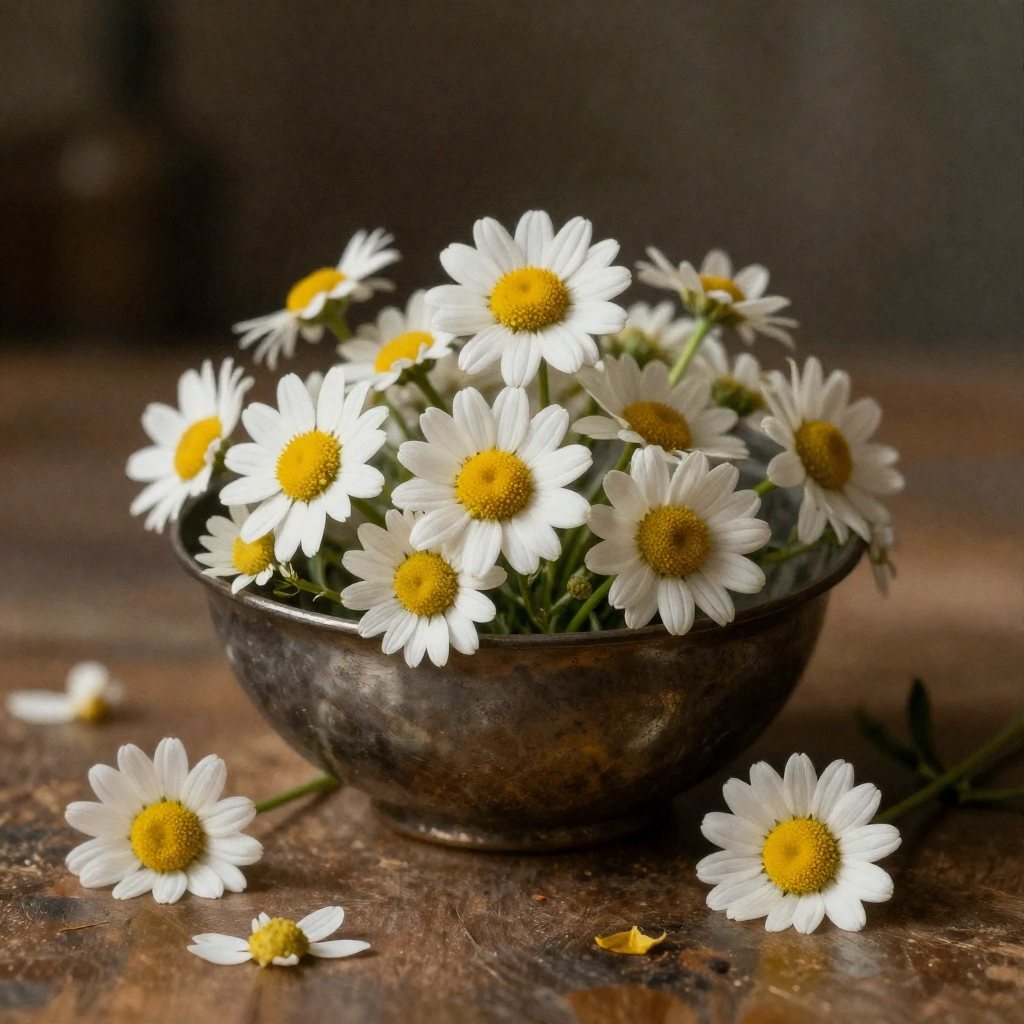

Parts used: Dried flowers (capitula)
Active substances: Apigenin, chamazulene, bisabolol, coumarins
Medicinal uses: Calming, mild sedative, digestive aid, anti-inflammatory, anxiety and sleep support
Evidence level: Moderate
Echinacea
Echinacea purpurea

Parts used: Roots, aerial parts (flowers, leaves)
Active substances: Alkylamides, polysaccharides, glycoproteins, caffeic acid derivatives
Medicinal uses: Immune support, common cold, upper respiratory infections
Evidence level: Moderate
Elderberry
Sambucus nigra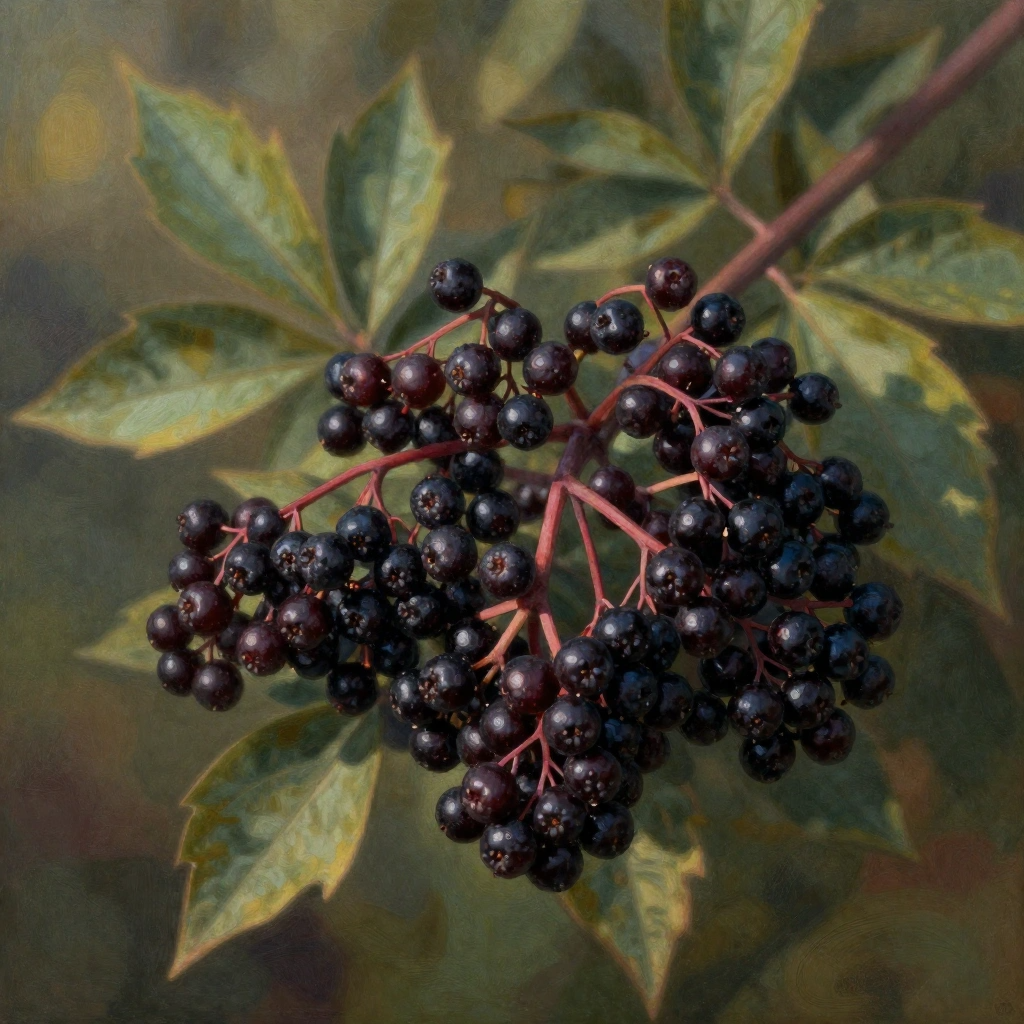
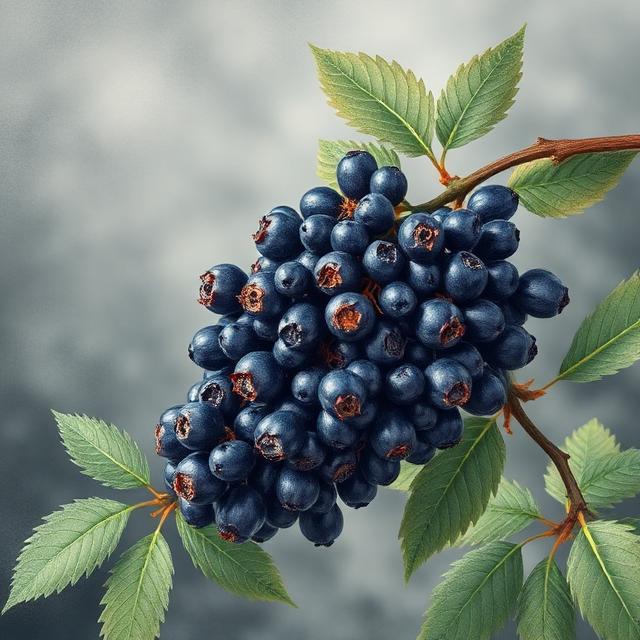
Parts used: Ripe berries (cooked), flowers
Active substances: Anthocyanins, flavonoids, lectins, sambunigrin (toxic in raw berries)
Medicinal uses: Immune support, common cold & flu symptom relief, antiviral properties
Evidence level: Moderate
Fly Agaric
Amanita Muscaria
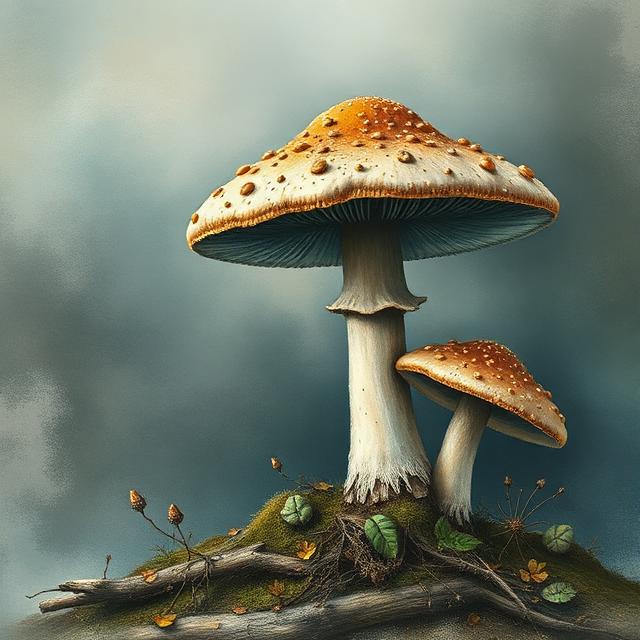
In Europe and Russia, the primary use of Amanita muscaria was medicinal. The mushroom would typically be soaked in alcohol and blended into tinctures and applied topically. As ... Read more →
Parts used: Only the hat is dried and used topically as a ticture or as a tea.
Active substances: Muscimol
Medicinal uses: Modern-day pharmacological studies and anecdotal reports from users suggest that the mushroom has analgesic (pain-relieving), anti-inflammatory, anxiolytic (anxiety-soothing), neuroprotective, and stimulant properties. A new generation of researchers now recognize that the mushroom holds an array of potentially therapeutic benefits, with one team of mycologists recently reflecting: Amanita muscaria offers а great versatility of beneficial effects in cell protection and especially in neuroprotection, cardio protection, hepatoprotection, inflammation process, oxidative stress, and may even contribute to development of new drugs in the future.
Evidence level: Moderate
Garlic
Allium sativum
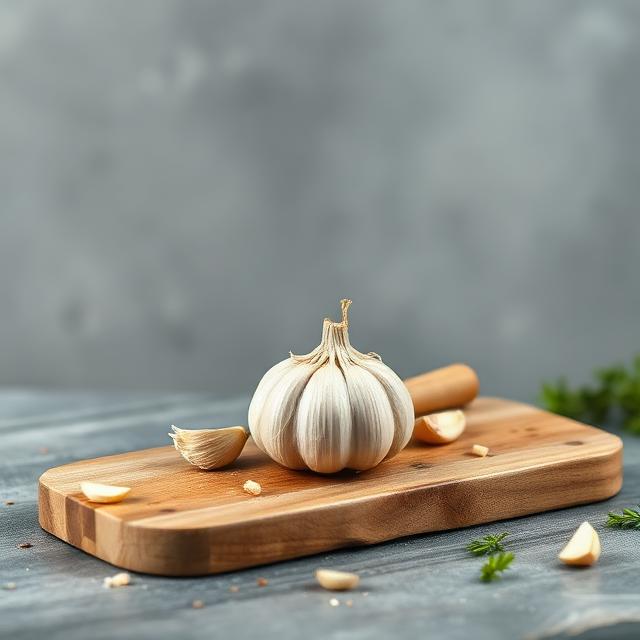
Parts used: Bulb (cloves)
Active substances: Allicin, ajoene, S-allyl cysteine, sulfur compounds
Medicinal uses: Antimicrobial, cardiovascular support (blood pressure, cholesterol), immune booster, anti-inflammatory
Evidence level: High
Ginger
Zingiber officinale
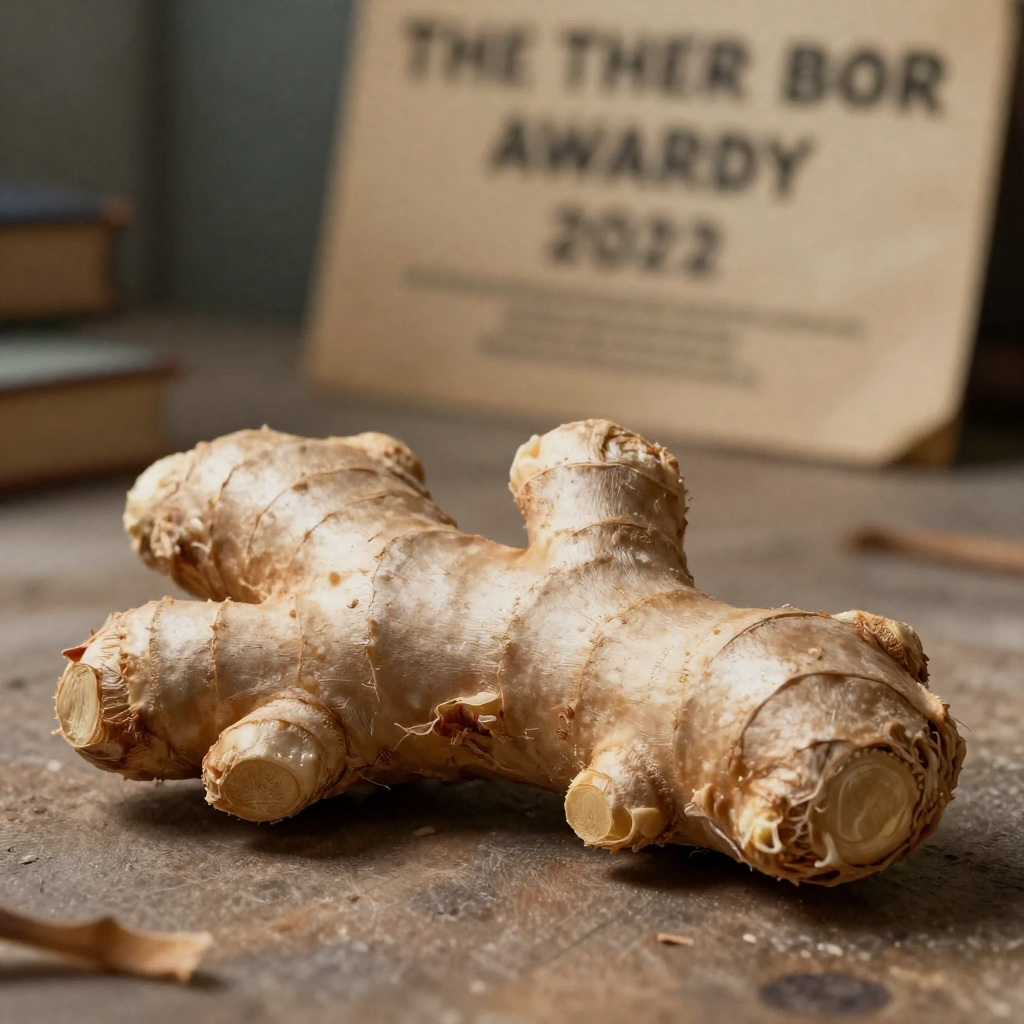
Parts used: Rhizome (fresh or dried)
Active substances: Gingerols, shogaols, paradols, zingerone
Medicinal uses: Anti-nausea (motion sickness, pregnancy, chemotherapy), anti-inflammatory, digestive aid
Evidence level: High
Ginkgo
Ginkgo biloba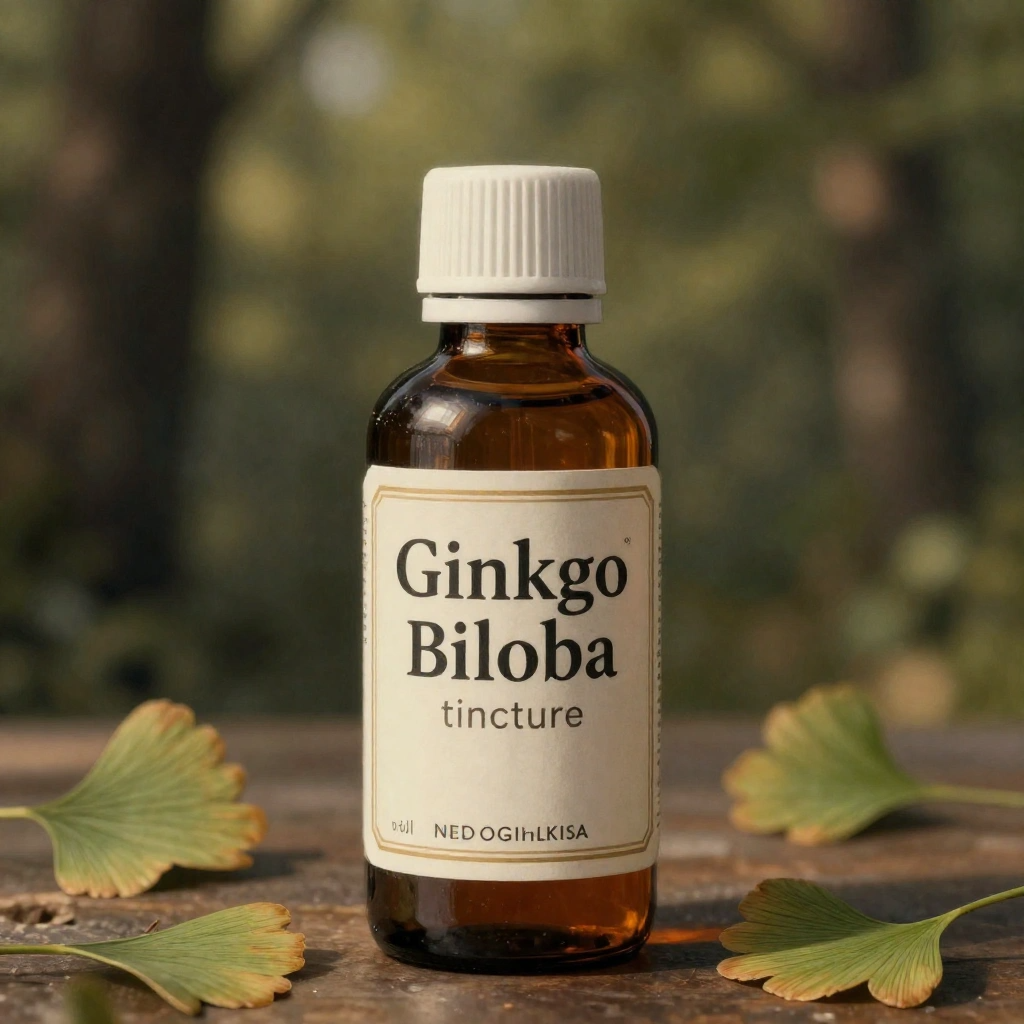
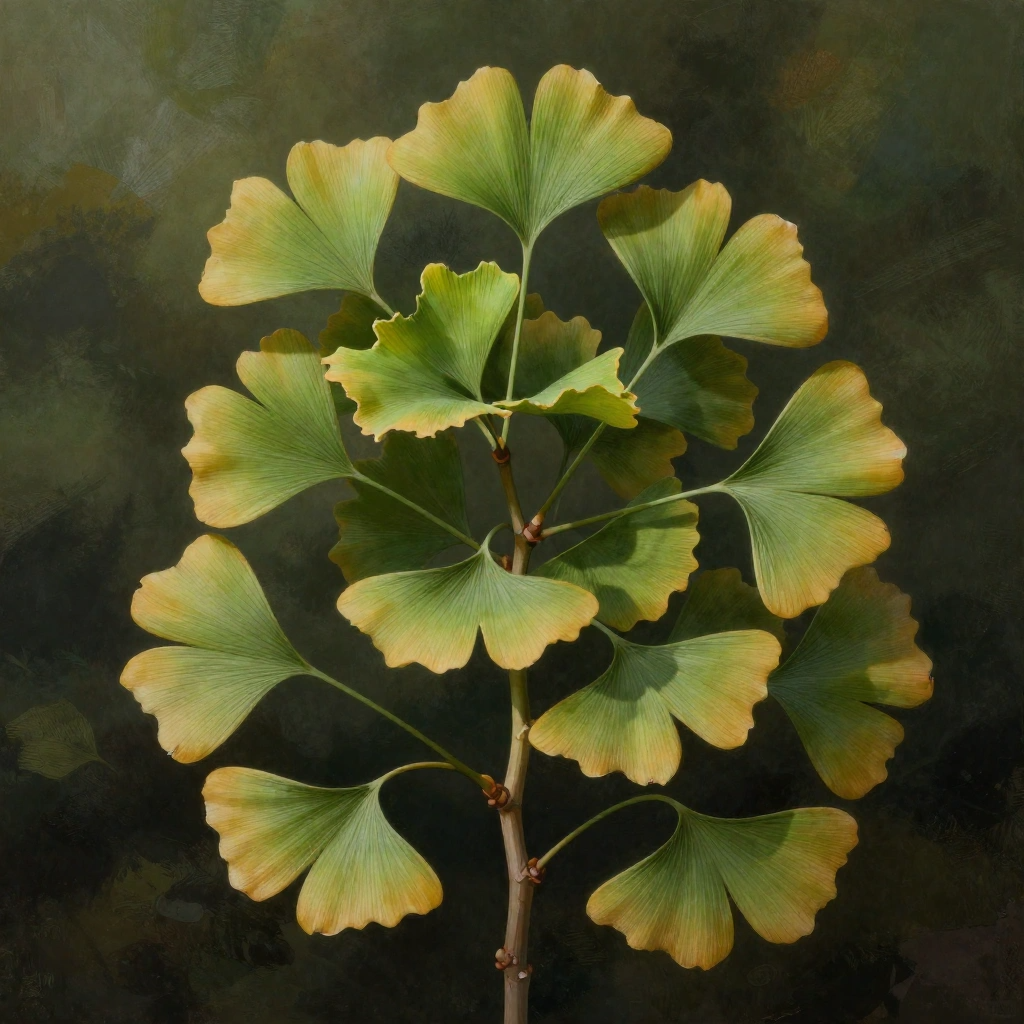
Parts used: Leaves (standardized extract)
Active substances: Flavonoid glycosides, terpene lactones (ginkgolides, bilobalide)
Medicinal uses: Cognitive function, circulation, memory support, vertigo, tinnitus (mixed evidence)
Evidence level: Moderate
Holy Basil (Tulsi)
Ocimum sanctum

Parts used: Leaves and flowering tops
Active substances: Eugenol, ursolic acid, rosmarinic acid, ocimumosides
Medicinal uses: Adaptogen, stress relief, immune support, respiratory health
Evidence level: Moderate
Lavender
Lavandula angustifolia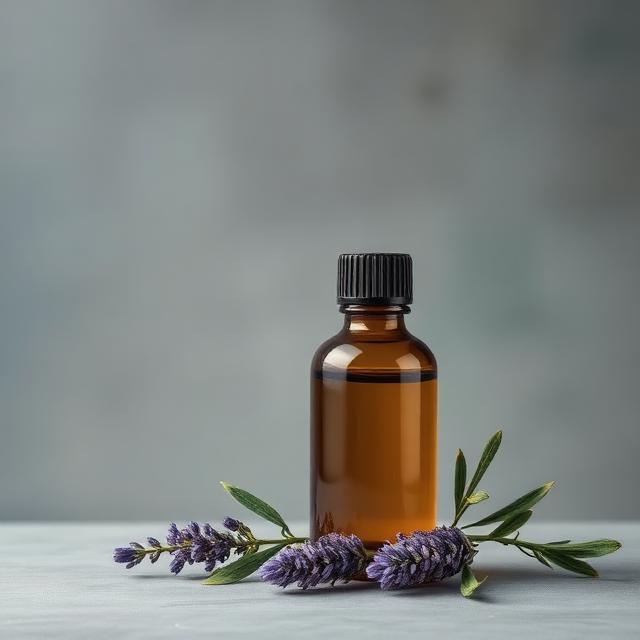

Lavender (primarily Lavandula angustifolia, also known as English lavender or true lavender) has one of the richest histories in traditional medicine, stretching back over 2,500 ... Read more →
Parts used: Flowers and flowering tops
Active substances: Linalool, linalyl acetate, camphor, cineole
Medicinal uses: Nervous system — calming restlessness, relaxing mind, insomnia, anxiety, headaches, mild sleep aid. Skin & wounds — as an antiseptic for burns, cuts, insect bites, and acne. Has a cooling and calming effect in muscles. Digestive — can relievie colic, gas, and indigestion. Respiratory — easing coughs and throat issues. Has traditionally been used as an insect repeller.
Evidence level: High
Milk Thistle
Silybum marianum
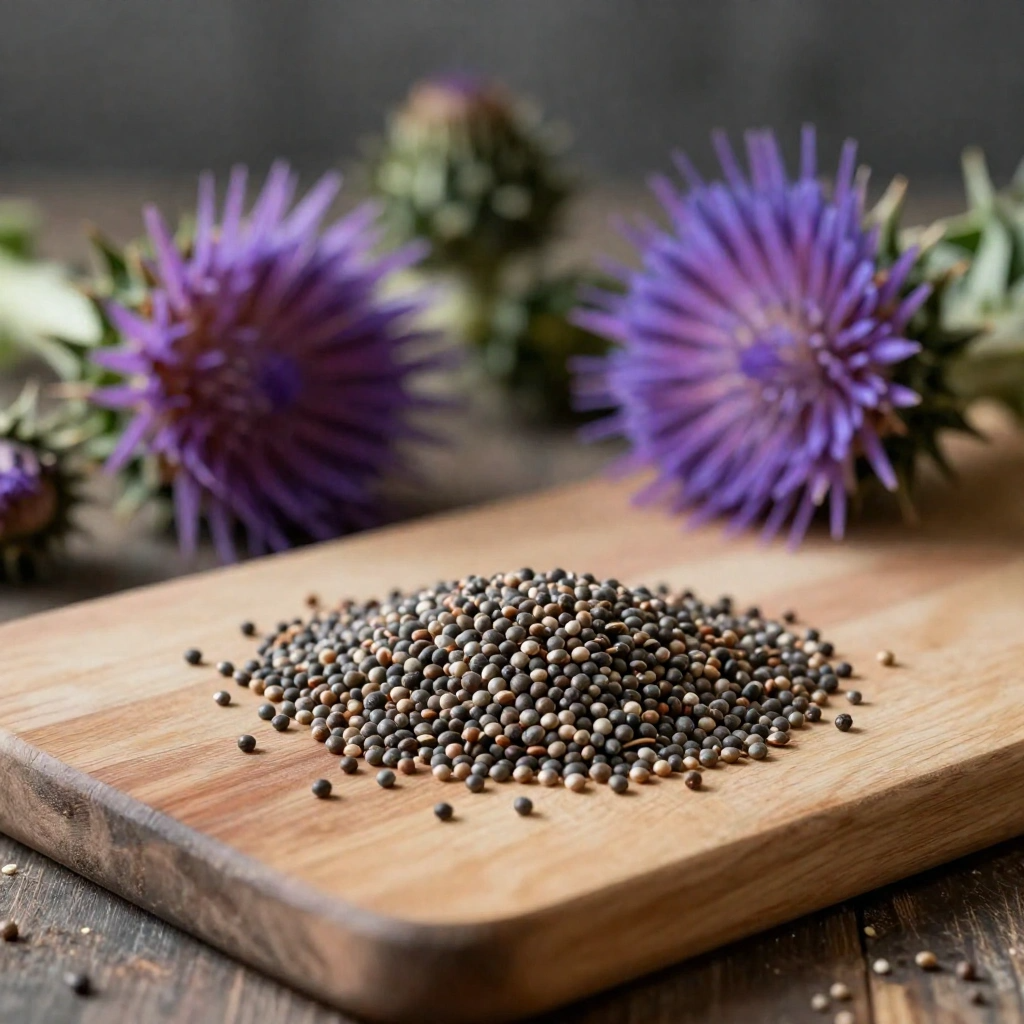
Parts used: Seeds
Active substances: Silymarin (silybin, silychristin, silydianin)
Medicinal uses: Liver protection/hepatoprotective, detoxification support, possible diabetes benefit
Evidence level: Moderate